Matthew: A Versatile Script Handwritten Font for Makers
There is a specific kind of quiet satisfaction that comes from watching a design come together on your screen, especially when the typography finally clicks with the visual mood you are trying to create. As a creator who spends hours tweaking candle labels, testing sticker adhesion, and refining printable wall art, I have learned that the right typeface does more than just display words; it sets the emotional tone for the entire product. This is where Matthew enters the workflow. Matthew is a gorgeous calligraphy font, combining the sensibility of both modern and classic cursive script, making it an indispensable tool for anyone looking to elevate their handmade brand identity. Whether you are designing for special event works or creating everyday boutique tags, this font offers the perfect balance of elegance and approachability.
Using Matthew for Elegant Wedding Invitations and Special Event Stationery
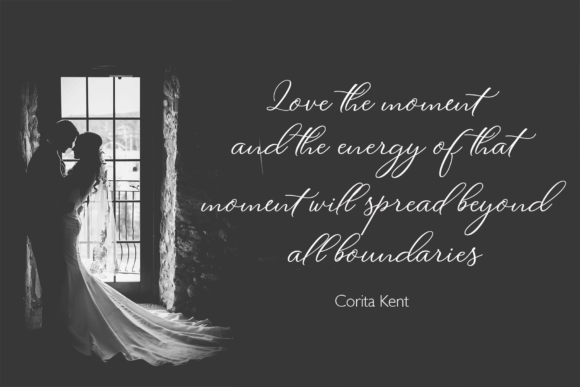
When working with Script Handwritten styles for wedding stationery, the pressure to get the details right is immense. Couples want their invitations to feel personal, luxurious, and timeless all at once. Fonts like Matthew bridge the gap between rigid traditional calligraphy and loose, modern brush scripts. I recently used Matthew for a set of wedding welcome signs and menu cards, and the result was striking. The fluid strokes mimic the natural movement of a hand-held pen, giving each letter a human touch that feels authentic rather than manufactured. Because Matthew is a gorgeous calligraphy font, combining the sensibility of both modern and classic cursive script, it works beautifully for names and headers where you want to make a strong first impression. The alternates included in the font file allow for unique typographic combinations, ensuring that repeated letters in a couple’s name do not look identical, which adds a layer of custom craftsmanship to the design.
Crafting Unique Candle Labels and Boutique Packaging with Matthew
Product packaging is often the first physical interaction a customer has with your brand. For handmade candle makers, soap artisans, and skincare creators, the label needs to communicate quality before the product is even opened. Matthew excels in this niche because it remains legible even at smaller sizes, provided it is used for short phrases or brand names rather than long paragraphs of instructional text. I find that pairing Matthew with a clean, lightweight sans serif font for the ingredient lists creates a sophisticated hierarchy. The script draws the eye to the scent name or brand logo, while the secondary font handles the practical information. This combination of Script Handwritten elegance and modern minimalism is a trend that continues to perform well in boutique markets. When printing these labels, the smooth curves of Matthew hold up well against textured paper stocks, adding a tactile sense of luxury that customers appreciate.
Designing Printable Wall Art and Digital Downloads with Matthew
The market for digital downloads and printable wall art is competitive, and standing out requires designs that feel fresh yet familiar. Matthew is a great font for use in special event works, and comes with alternates for unique touches that can transform a simple quote into a piece of art. I have used this font for nursery decor prints, featuring baby names in large, sweeping scripts that dominate the page. The versatility of Fonts in this category allows creators to experiment with layout and spacing. Because Matthew combines modern and classic sensibilities, it fits seamlessly into various interior design styles, from farmhouse chic to contemporary minimalist. When creating these files, it is important to check the licensing terms to ensure commercial use is permitted for digital products, but once cleared, the potential for creating cohesive collections of quotes, affirmations, and personalized name art is vast.
Creating Eye-Catching Greeting Cards and Holiday Tags
Seasonal products require typography that can convey warmth and celebration quickly. Whether it is a Christmas gift tag, a birthday card, or a thank-you note, Matthew brings a festive yet refined energy to the design. The handwritten nature of the font makes it feel personal, as if the message was penned by hand specifically for the recipient. This emotional connection is crucial for greeting card sellers who want their products to stand out on crowded shelves or in online listings. Using the alternates available in Matthew allows for creative flair, such as adding swashes to capital letters to frame the text or create visual interest. When designing these items, consider the contrast between the ink color and the paper stock. Matthew looks particularly stunning in gold foil simulations or deep navy blues on cream-colored cardstock, enhancing the perceived value of the final product.
Optimizing Readability and Font Pairing for Commercial Craft Projects
While Matthew is visually stunning, practical application requires attention to readability and technical constraints. For crafters using cutting machines like Cricut or Silhouette, understanding how the font behaves when converted to cut paths is essential. Matthew works well for larger decals, tote bag designs, and mug wraps, but may require simplification if used for very small stickers where intricate loops could tear or fail to weed properly. Testing your designs at actual size before final production is a best practice that saves time and materials. Furthermore, effective font pairing is key to maximizing the impact of Script Handwritten typefaces. Pairing Matthew with a sturdy serif font can create a traditional, editorial look, while pairing it with a geometric sans serif offers a modern, clean aesthetic. Understanding these dynamics helps in building a consistent brand identity across different product lines, from social media graphics to physical merchandise.
Leveraging Alternates and Ligatures for Unique Brand Identity
One of the most powerful features of Matthew is the inclusion of alternates and ligatures. These tools allow designers to break the monotony of standard typing and create custom-looking logos and headlines. For a handmade business, having a unique logo is vital for brand recognition. By experimenting with different character combinations, you can create a signature look that distinguishes your shop from competitors. This level of customization is what makes Matthew a valuable asset in a designer’s toolkit. It is not just about choosing a pretty font; it is about using the tools within the font to create something that feels bespoke. Whether you are designing a storefront sign, a website header, or a packaging seal, taking the time to explore these options can significantly enhance the professional quality of your work. Always review the font files thoroughly to understand which alternates are available and how they can be accessed in your design software, ensuring you get the most out of your purchase.