Bath Oliver: The Script Font for Elegant Branding
When I sat down to redesign the packaging for a local artisan candle line, the biggest hurdle wasn’t the color palette or the label size—it was finding Bath Oliver, a typeface that could bridge the gap between handmade charm and high-end retail appeal. As a creative consultant, I often tell small business owners that their choice of Fonts is the silent ambassador of their brand, and in this case, we needed something that felt personal yet polished. This Script Handwritten style offered the perfect solution, allowing us to slip into something more sophisticated without losing the warm, human touch that customers love.
Why Bath Oliver Elevates Product Packaging Design
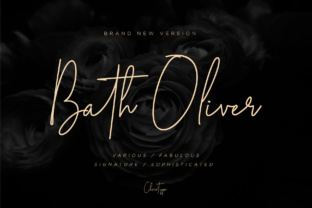
The first thing you notice when you start working with Bath Oliver is its realistic, hand-lettered style. In the world of Fonts, there is a distinct difference between a rigid digital script and one that breathes with natural variation. For product creators, especially those in the beauty, bakery, or home decor niches, this distinction is critical. A sterile font can make a handmade soap bar feel mass-produced, while a messy script can undermine perceived value. Bath Oliver sits comfortably in the sweet spot, offering a Script Handwritten aesthetic that looks like it was penned by a skilled calligrapher.
I tested this on a series of minimalist kraft paper labels for a skincare brand. The goal was to create a sense of luxury using limited resources. By using Bath Oliver for the product names—like "Lavender Mist" or "Rose Clay"—we instantly added a layer of elegance. The font comes with tons of gorgeous characters, which meant we could avoid repetitive letterforms that often give away a digital typeface. This variety ensures that even short words look dynamic and custom-made. For business owners, this means your packaging doesn't just hold a product; it tells a story of care and attention to detail before the customer even opens the box.
Creating Consistent Brand Identity with Script Handwritten Styles
One of the most common mistakes I see among entrepreneurs is inconsistent typography across different platforms. They might use one font for their logo, another for Instagram stories, and a third for their website headers. This fragmentation dilutes brand recognition. Integrating Bath Oliver into your core design assets helps solve this by providing a versatile Script Handwritten element that works across various media. Whether you are designing business cards, thank-you notes, or social media graphics, this font maintains a cohesive voice.
For example, a boutique clothing store used Bath Oliver to unify their online and offline presence. They applied it to their hang tags, which dangled elegantly from garment hangers, and mirrored the same typography in their Instagram highlight covers. Because this script is a great way to give your brand a distinctive personality, it became a recognizable visual anchor. Customers began to associate that specific flowing script with the boutique’s curated aesthetic. When choosing Fonts for brand identity, consistency is key, and Bath Oliver provides the reliability needed to build trust. It signals to your audience that you are professional, organized, and serious about your craft, even if your products are whimsical or playful.
Readability and Pairing Advice for Small Business Owners
While the beauty of a Script Handwritten typeface is undeniable, practicality must never be sacrificed for aesthetics. A frequent concern among non-designers is readability. Can customers read the font on a small label? Is it clear on a mobile screen? Bath Oliver is designed with these real-world constraints in mind. Its strokes are clean enough to remain legible at smaller sizes, making it suitable for ingredient lists on narrow candles jars or details on wedding invitations. However, it shines brightest as a display font for headlines, logos, and short phrases.
To maximize impact, I recommend pairing Bath Oliver with a clean sans serif font or a simple serif font. This contrast creates visual hierarchy. For a café menu refresh, we paired the script with a minimal geometric sans serif. The Script Handwritten font was used for section headers like "Seasonal Specials" or "Artisan Coffees," while the sans serif handled the descriptions and prices. This combination ensures that the eye is drawn to the emotional, decorative elements first, while the informational text remains easy to scan. When browsing through available Fonts, always consider how your primary choice interacts with secondary typefaces. Bath Oliver is flexible enough to complement both modern minimalism and classic editorial styles, giving you freedom in your design decisions.
Maximizing Commercial Value with Versatile Typography
For freelancers and agency owners, the versatility of a typeface directly impacts its return on investment. Bath Oliver is not just for static print materials; it performs exceptionally well in digital environments too. From website banners to email newsletter headers, this font adds a human touch to digital interactions. In an era where screens dominate our attention, a Script Handwritten element can stop the scroll. It feels organic and inviting, contrasting sharply with the rigid grids of web design.
Consider a life coach launching a new online course. Using Bath Oliver for the course title on a landing page adds a personal, mentor-like warmth that a standard bold font might lack. It suggests guidance and personal connection. Furthermore, because this font comes with tons of gorgeous characters, including alternates and ligatures, designers can create unique lockups for clients. This prevents the "template look" that plagues many small business websites. When you invest in premium Fonts like this, you are investing in the ability to customize. You are ensuring that your client’s brand stands out in a saturated market. Always check the licensing terms to ensure you are covered for commercial use, especially if you are creating products for resale or client work. With Bath Oliver, you get a tool that enhances perceived value, drives engagement, and simplifies the design process for a wide range of projects.